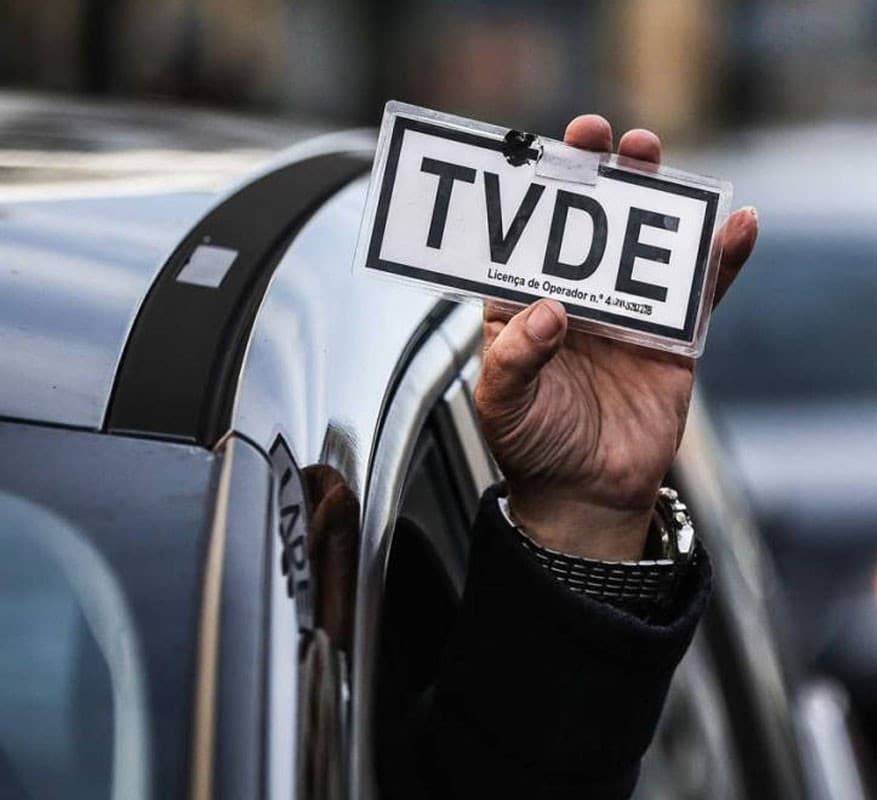
Portugal's TVDE sector has grown dramatically since Law 45/2018 first introduced the regulatory framework for ride-hailing platforms. Several years later, that framework is under review — and the proposed changes could reshape what it means to be a TVDE driver or operator in Portugal.
In this article we break down the key proposals on the table, what they could mean in practice, and how to prepare for whatever comes next.
Why Is the Law Being Revised?
Law 45/2018 was written at a time when the TVDE sector was still relatively new. Today, tens of thousands of drivers rely on Uber and Bolt as their primary or supplementary income. The original text was not designed to address issues that have since emerged: driver welfare, environmental pressure, platform pricing disputes, and tension with the taxi sector.
The government has been under pressure from multiple sides:
- Taxi associations arguing that TVDE operates under lighter rules, creating unfair competition
- Driver advocacy groups pushing for minimum earnings guarantees and social protections
- Environmental regulators pushing the sector toward zero-emission vehicles
- Municipal governments in Lisbon and Porto seeking more control over how platforms operate locally
The Main Proposed Changes
1. Mandatory Electric or Hybrid Vehicles
The most impactful proposal for many drivers is a requirement that any vehicle newly registered for TVDE activity must be fully electric or plug-in hybrid. Existing petrol and diesel vehicles would be granted a transition period — currently proposed at two to three years — before they too must be replaced.
Potential benefits:
- Significantly lower fuel costs once the upfront purchase is covered (electricity vs. petrol)
- New electric vehicles tend to require less maintenance, reducing operational expenses
- Access to Uber Green and Bolt Green designations, which attract higher fares from eco-conscious passengers
Potential challenges:
- The purchase price of a new electric vehicle (€25,000–€45,000) is a major barrier for most self-employed drivers
- Charging infrastructure in Portugal, particularly outside Lisbon and Porto, remains insufficient for the density of use TVDE drivers require
- Drivers who have recently purchased a compliant petrol vehicle may face unexpected costs if the transition period is shortened
2. Working Time Limits
Proposals under discussion include capping the daily maximum working hours for TVDE drivers — most likely between 10 and 12 hours — with mandatory rest periods between shifts. This brings TVDE closer to the existing rules that govern professional taxi drivers.
Potential benefits:
- Reduces driver fatigue and improves road safety for everyone
- Aligns with EU working time directives, offering drivers a legal basis to defend their wellbeing
- Could improve ratings and service quality across the sector if rest-deprived driving decreases
Potential challenges:
- Full-time TVDE drivers who currently rely on extended hours during weekends or high-demand periods would see their earning ceiling cut
- Self-employed drivers may feel the state is interfering with their autonomy
- Enforcement is practically complex — platforms would need to track hours across all operator relationships
3. Minimum Fare Floor
A proposal to set a minimum per-kilometre rate for TVDE trips has been repeatedly discussed. The intent is to prevent price races between platforms and protect driver earnings from being squeezed to below sustainable levels.
Potential benefits:
- Establishes a predictable earnings floor — drivers would know the least they can make per kilometre
- Reduces the incentive for platforms to undercut one another at drivers' expense
- Could improve the sustainability of the sector, retaining experienced drivers who currently leave due to falling rates
Potential challenges:
- A higher minimum fare could reduce overall demand, particularly for short urban trips
- Platforms may partially compensate by increasing their own commission rates elsewhere
- International platforms have historically lobbied hard against fare floors in other European markets
4. Platform Algorithm Transparency
Platforms like Uber and Bolt would be required to provide clearer, accessible information about how dynamic pricing is calculated and how earnings are split between platform and driver.
Potential benefits:
- Drivers gain a better understanding of the real economics of each trip
- Regulators and researchers can audit whether platforms are acting fairly
- Reduces the information asymmetry that currently favours platforms in pricing disputes
Potential challenges:
- Platforms treat their pricing algorithms as proprietary commercial secrets and will likely resist disclosure
- Overly prescriptive requirements could slow platform innovation
- The benefit to drivers may be indirect — knowing the formula doesn't change it
5. Stricter Operator Requirements
The proposals include raising the bar for TVDE operators: higher minimum capital requirements, regular compliance audits, and mandatory liability insurance covering all registered drivers at a minimum standard.
Potential benefits:
- Protects drivers from working with undercapitalised or negligent operators
- Raises sector professionalism — fewer fly-by-night operators disappearing with fees
- Creates a clearer hierarchy of accountability when something goes wrong
Potential challenges:
- Smaller operators may be unable to meet higher capital thresholds and exit the market
- Less competition among operators could lead to higher fees for drivers in the medium term
- The transition period for existing operators to meet new requirements adds uncertainty
6. Expanded Municipal Powers
Local councils in Lisbon, Porto, and other major cities could gain the ability to impose additional local regulations on TVDE operations within their territory — including designated pickup and drop-off zones, caps on active vehicles during peak hours, or restricted operating areas.
Potential benefits:
- Rules tailored to local conditions (Lisbon's congestion problem is different from a mid-sized city's)
- Cities can create dedicated TVDE lanes or safe pickup zones, improving the experience for drivers and passengers
- More responsive regulation that can react quickly to emerging problems
Potential challenges:
- Fragmented regulations across municipalities increase complexity for operators and drivers working across city boundaries
- Inconsistent local rules could create confusion and uneven competitive conditions
- Drivers operating in multiple cities would need to track different rule sets
7. Social Security and Worker Status Clarification
Perhaps the most politically sensitive proposal: clearer rules on the social and employment status of TVDE drivers, potentially requiring platforms or operators to make social security contributions on drivers' behalf.
Potential benefits:
- Drivers would accumulate social security entitlements (unemployment, sickness, pension) more easily
- Reduces the financial risk of TVDE as a primary income source
- Aligns Portugal with EU-wide moves toward platform worker protections
Potential challenges:
- Additional contributions would increase the operational cost for platforms and operators, likely passed on to drivers
- Platforms may reclassify drivers in ways that reduce their flexibility as a workaround
- Genuinely self-employed drivers who value independence may resent the change
What Could Change for You as a Driver?
If most of these proposals pass in their current form, the sector would look meaningfully different within two to three years:
- Getting started in TVDE would require a newer, cleaner vehicle (eventually electric)
- Your hourly earnings potential could be capped by working time limits
- Your minimum per-trip earnings would be more predictable and protected
- Your operator would be subject to tighter oversight — more trustworthy, potentially fewer to choose from
Drivers with newer vehicles and clean compliance records stand to benefit the most. Those with older vehicles or who depend on long working days would face the biggest adjustments.
How to Prepare Now
You don't need to wait for the law to change to take action. There are sensible steps you can take today:
- If you're considering buying a vehicle for TVDE, factor in electric options from the start — the regulatory direction is clear even if the timeline isn't
- Track your working hours — building the habit now makes future compliance easier
- Stay with a reputable, established operator — if stricter operator requirements come in, you want to be with one that will still be standing on the other side
- Keep your documentation current — the proposals would likely reward compliant drivers with fewer hurdles
Still getting started? Read the complete guide to starting in TVDE in 2026
Pronto para começar?
A Arterian oferece o slot TVDE completo por apenas 25€/semana. Ativação em cerca de 48 horas, sem fidelização e suporte 24/7.
Get Your Slot for €25/weekQuestions about how upcoming changes could affect you? Talk to our team on WhatsApp or by email — we follow regulatory developments closely and can advise you on the best path forward.